

Energy Prices, Inflation, and HVAC: What Today’s Homeowners Care About
Why Economics Now Drive HVAC Decisions
Rising energy prices and persistent inflation have fundamentally changed how homeowners evaluate major home upgrades — especially HVAC systems.
Today, HVAC decisions are no longer driven solely by upfront price or brand preference. Homeowners are thinking about monthly affordability, long-term operating costs, and financial risk. Comfort still matters, but it is increasingly weighed against household budgets and future cost uncertainty.
For many homeowners, HVAC replacement decisions now hinge on energy costs, financing options, and long-term system efficiency rather than upfront price alone.
💡 Key insight: Homeowners are not avoiding HVAC upgrades. They are trying to make financially responsible decisions in an unpredictable economic environment.
For contractors, understanding this mindset — and reflecting it in sales conversations is essential to closing more consistently.

What Is Happening in Energy Markets Right Now?
Are electricity prices increasing?
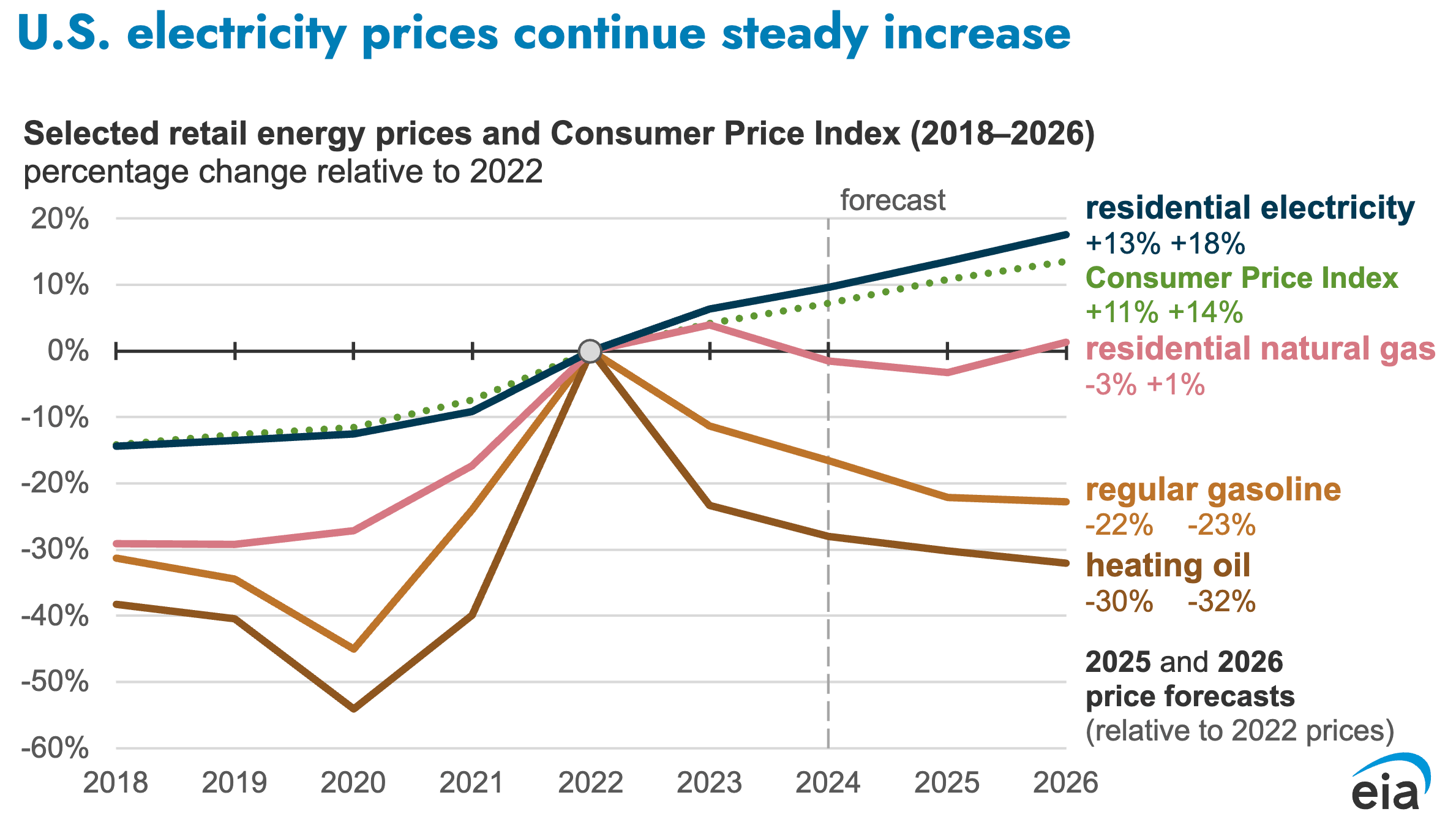
Yes. Retail electricity prices in the U.S. have risen faster than overall inflation and are expected to continue increasing through at least 2026, according to forecasts from the U.S. Energy Information Administration (EIA). While increases vary by region, the long-term trend remains upward.
Are natural gas prices expected to stay high?
The EIA projects the Henry Hub natural gas price to average around $4.30/MMBtu in 2026, which is notably higher than many recent historical averages. For homeowners who rely on natural gas for heating, this translates into higher and less predictable monthly heating costs.
Will winter energy costs be higher for homeowners?
According to the EIA's winter outlook, heating homes with electricity is expected to cost more overall this winter than last year — even if consumption levels remain similar. Rising utility rates, not increased usage, are the primary drivers.
Why Rising Energy Prices Matter to Homeowners
Rising energy prices increase homeowner sensitivity to monthly operating costs, making energy efficiency and financing more important factors in HVAC purchasing decisions.
As energy prices climb, monthly utility bills consume a larger share of household budgets. This shift has made homeowners more attentive to how much their homes cost to operate, not just how much improvements cost upfront.
High-efficiency HVAC systems, insulation upgrades, and full system replacements are increasingly viewed as financial investments rather than discretionary upgrades. Homeowners are beginning to connect energy efficiency with:
- Lower monthly utility bills
- Improved cash-flow predictability
- Protection against future rate increases
The challenge is timing. Energy savings accumulate gradually, while the cost of a new system is immediate.
This is where financing becomes critical. Financing allows homeowners to move forward with energy-saving improvements now while spreading costs over time — aligning payments with the savings those upgrades produce.
How Rising Energy Costs Change the HVAC Buying Mindset
As utility bills increase, homeowners stop asking, “How much does this system cost?” and start asking, “What will this do to my monthly expenses?”
Today’s homeowners are often most concerned with:
- Reducing monthly energy costs
- Improving cost predictability
- Avoiding unexpected repairs and operating surprises
Efficiency ratings still matter — but only when contractors clearly connect them to real-world dollar savings. Contractors who translate SEER ratings and system performance into estimated monthly cost impact are far more aligned with how homeowners evaluate value today.
How Inflation Shapes Homeowner Spending Behavior
Inflation continues to place pressure on household budgets, increasing sensitivity to large purchases — without eliminating the need for many of them. HVAC replacements remain necessary, but homeowners want greater clarity and confidence before committing.
Inflation shifts homeowner behavior in three key ways:
- Greater emphasis on monthly payments rather than total project cost
- Higher demand for clear cost justification and side-by-side comparisons
- Increased interest in flexible payment solutions such as buy-now, pay-later (BNPL) options where they can better manage cash flow
Rather than delaying projects indefinitely, many homeowners are looking for ways to manage cash flow while addressing immediate comfort and efficiency needs.
What Homeowners Prioritize When Choosing an HVAC System Today
When choosing an HVAC system today, homeowners prioritize:
- Lower energy costs
- Reliable, consistent system performance
- Clear repair-versus-replace comparisons
- Simple, understandable payment options
Contractors who frame recommendations around these priorities speak the homeowner's language and establish trust faster.

Repair vs. Replace: How Homeowners Decide
Does a new HVAC system reduce monthly energy costs?
In most cases, yes. When your system isn’t running right, it works harder to keep your home warm, using more energy. Waiting too long for repairs can hike up your energy bill because of poor efficiency. (Source)
How do homeowners decide between repairing or replacing an HVAC system?
As energy prices rise, older systems that are expensive to operate can feel less acceptable — even if they still technically function. Homeowners increasingly evaluate decisions through total cost of ownership, not just immediate repair costs.
If a homeowner is facing frequent repairs combined with high energy bills, replacement often becomes the more financially logical long-term option.
Old System vs. New System: Key Comparison Factors
- Monthly operating cost
- Repair frequency and unpredictability
- Energy efficiency
- Long-term cost stability
This cost-of-ownership framing helps homeowners make logical, confident decisions.
Turning Consumer Insight into Better HVAC Conversations
Contractors can significantly improve close rates by aligning sales conversations with how homeowners are already thinking.
Effective approaches include:
- Leading with energy cost impact instead of equipment features
- Explaining total cost of ownership in simple language
- Using estimated monthly savings rather than abstract efficiency metrics
- Positioning financing as a flexibility and risk-management tool, not just a payment option
When HVAC decisions are framed around comfort, predictability, and long-term savings, homeowners feel more confident moving forward.

Seeing HVAC Decisions Through the Homeowner’s Financial Lens
Is financing HVAC worth it for homeowners?
For many homeowners, yes. Rising energy prices and ongoing inflation have permanently changed how HVAC investments are evaluated. Monthly affordability, operating cost, and financial certainty now drive decisions.
Contractors who understand these economic pressures (and communicate accordingly) are better positioned to earn trust, overcome price resistance, and close more effectively in today’s market.
– Madison Schoppe (Marketing Content Developer)